

Why Proper Shoe Fit Matters for Your Child’s Development
Your child’s feet grow rapidly in the early years, and the bones aren’t fully formed until around age 18. In fact, children’s feet are made of soft cartilage that gradually hardens into bone as they grow. This makes them incredibly vulnerable to pressure, squeezing, and poorly designed footwear. Studies show that nearly 70% of adult foot problems begin in childhood, often due to wearing shoes that didn’t fit correctly.
Properly fitted shoes do far more than just keep kids comfortable. They support healthy posture, allow natural foot development, and reduce the risk of injuries. When footwear is too tight, too loose, or the wrong shape, it affects the way a child walks—impacting ankles, knees, hips, and even the spine.At Kiddio.ae, our pediatrician-approved footwear is designed to protect growing feet from exactly these issues.
Here are the six key signs your child’s shoes may not fit properly—and how to fix them.
Sign 1: Your Child’s Toes Touch the Front of the Shoe
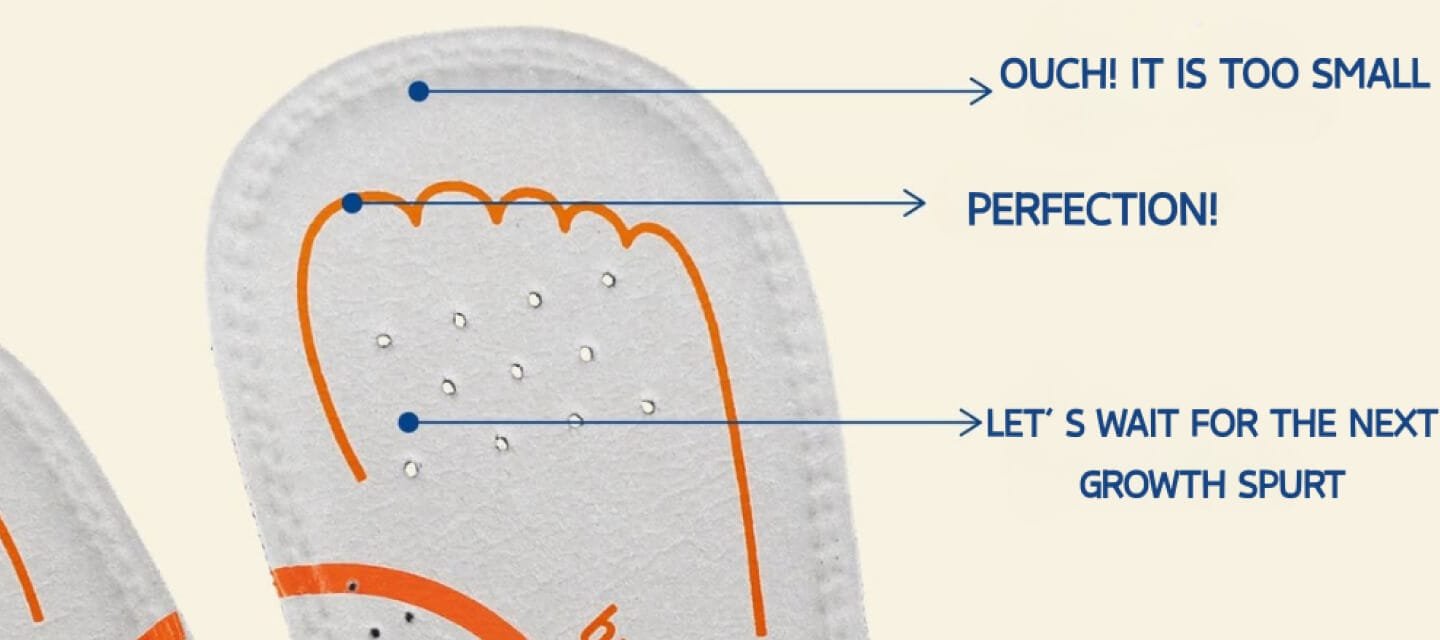
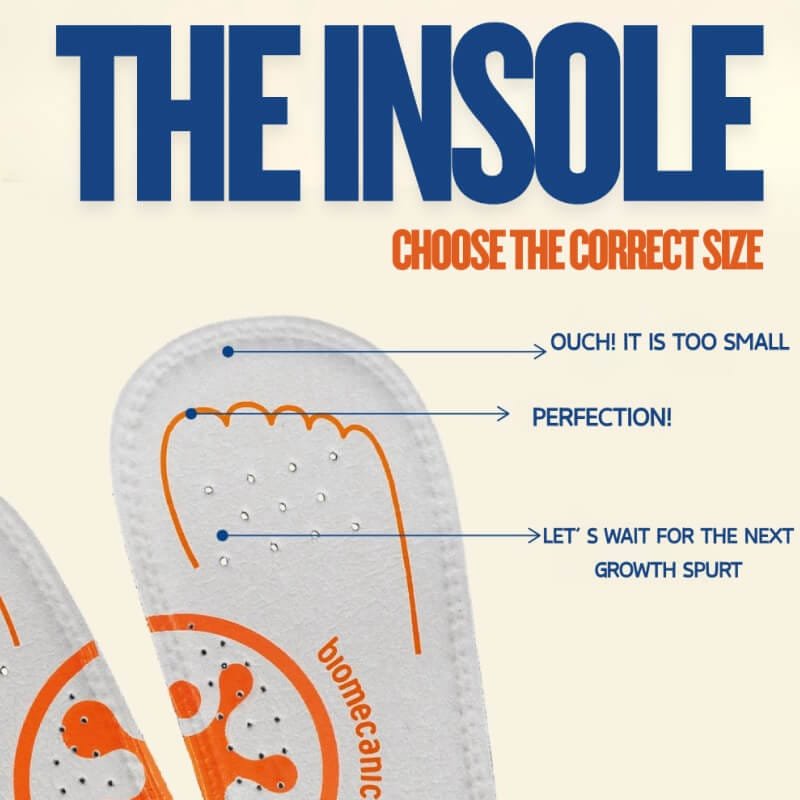
If your child’s longest toe is pressing against the front of the shoe, it’s an immediate red flag.
How to Test It
Use the thumb-width test:
With your child standing, check the space between their longest toe and the front of the shoe. You should be able to fit your thumb (about 12–14mm) comfortably in that space.
Why It Matters
Cramped toes can lead to:
- Ingrown toenails
- Hammertoes
- Discomfort while walking
- Limited natural foot movement
Kids need growing room—and 12–14mm is the pediatrician-recommended standard.
Sign 2: The Heel Keeps Slipping Out When Walking
A shoe that slips at the heel is not secure and can disrupt your child’s gait.
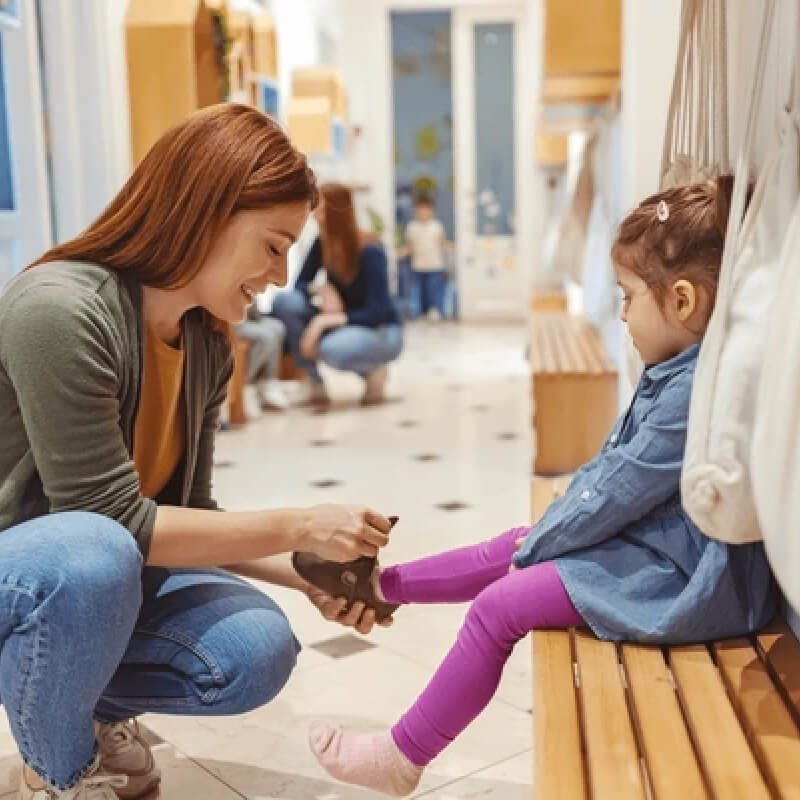
How to Check Heel Fit
With your child seated:
- Gently pull at the back of the shoe.
- It should feel snug without slipping off easily.
Why It Matters
Heel slippage may cause:
- Painful blisters
- Unstable walking patterns
- Poor ankle and knee alignment
- Increased tripping
A secure heel ensures stability while still allowing natural movement.
Sign 3: Red Marks or Blisters Appear After Wearing Shoes
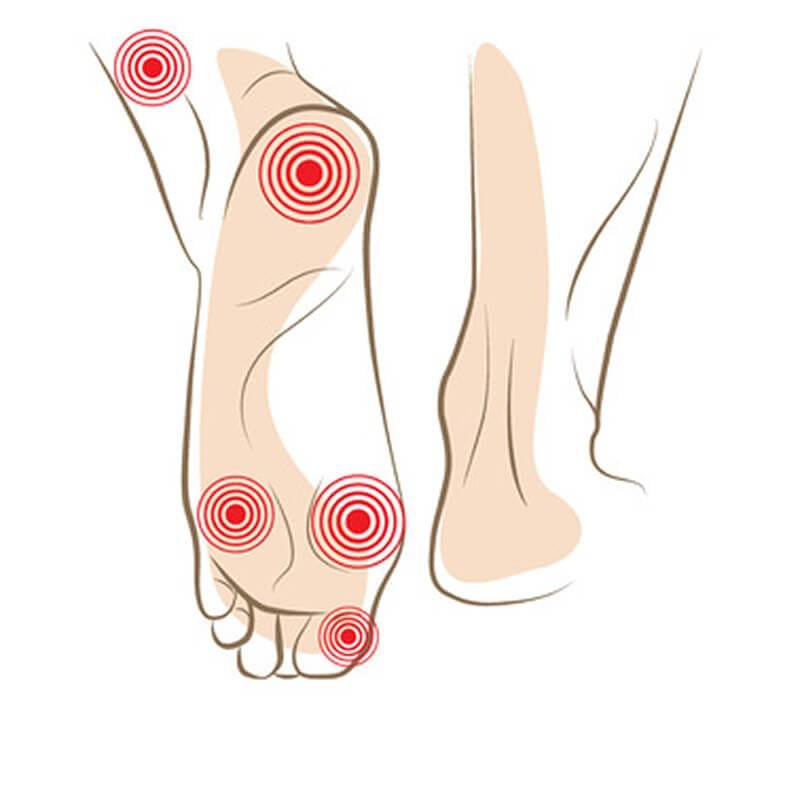
After removing their shoes, look for red marks, indentations, or blisters—especially around the sides of the feet, toes, or ankle bones.
What These Marks Indicate
These are signs of pressure points from shoes that are too tight, too loose, or the wrong shape for your child’s foot.
Why It’s Especially Important in Dubai
Feet naturally swell throughout the day—more so in Dubai’s warm climate. That means red marks after school are a clear indicator that the shoes aren’t accommodating swelling or daily movement.
Repeated friction can lead to:
- Calluses
- Skin irritation
- Pain while walking
Sign 4: Your Child Complains Their Shoes Feel Tight or Uncomfortable
Kids—even older ones—don’t always communicate discomfort clearly.
How to Get Accurate Feedback
Ask specific questions like:
- “Do your shoes squeeze here?” (Point to toes, arch, heel, or sides.)
- “Does this part feel pokey or tight?”
Younger children may only speak up when the discomfort becomes severe. That’s why regular checks are essential.
Why It Matters
Ignored discomfort can develop into:
- Joint pain
- Walking abnormalities
- Long-term foot deformities
Active communication helps prevent issues before they worsen.
Sign 5: The Shoe’s Upper Fabric Shows Excessive Bulging or Gaps
The shape of the shoe should mimic the shape of your child’s foot—not distort or balloon out.
How to Assess Width and Depth
Perform the shoe depth check:
- Rub your thumb across the top of the shoe.
- A proper fit will show a gentle, shallow ripple.
- Too-narrow shoes show no movement in the fabric.
- Too-wide shoes create a noticeable ridge or bulge when pinched.
Bulging indicates that the foot is pressing against the upper material, while gaps suggest the shoe isn’t offering enough support.
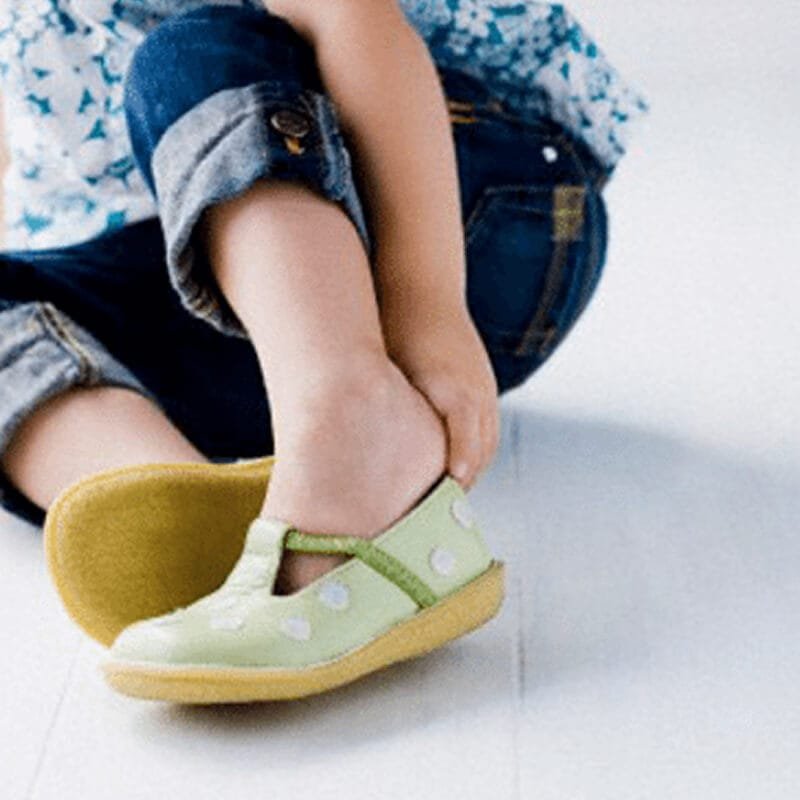
Sign 6: Your Child Becomes Less Active or Avoids Wearing Shoes
Children rarely say, “My shoes hurt,” but their behavior often reveals discomfort.
Signs to Watch For
- Avoiding outdoor play
- Taking shoes off frequently
- Struggling to put shoes on
- Choosing old shoes over new ones
Reduced activity can be a silent signal that something is wrong—and it can also affect a child’s physical development and social participation, especially in Dubai’s active, outdoor lifestyle.
When to Replace Your Child’s Shoes in Dubai’s Climate
Children’s feet grow fast—and shoes wear out faster in Dubai’s heat. Here’s a general replacement timeline:
- Babies: Every 2–3 months
- Toddlers: Every 3–4 months
- School-age children: Every 4–6 months
Heat, sweat, and outdoor play can cause shoes to break down more quickly than in cooler climates. Always check fit regularly, and choose pediatrician-approved footwear—like the options available at Kiddio.ae—to support your child’s healthy development.

