

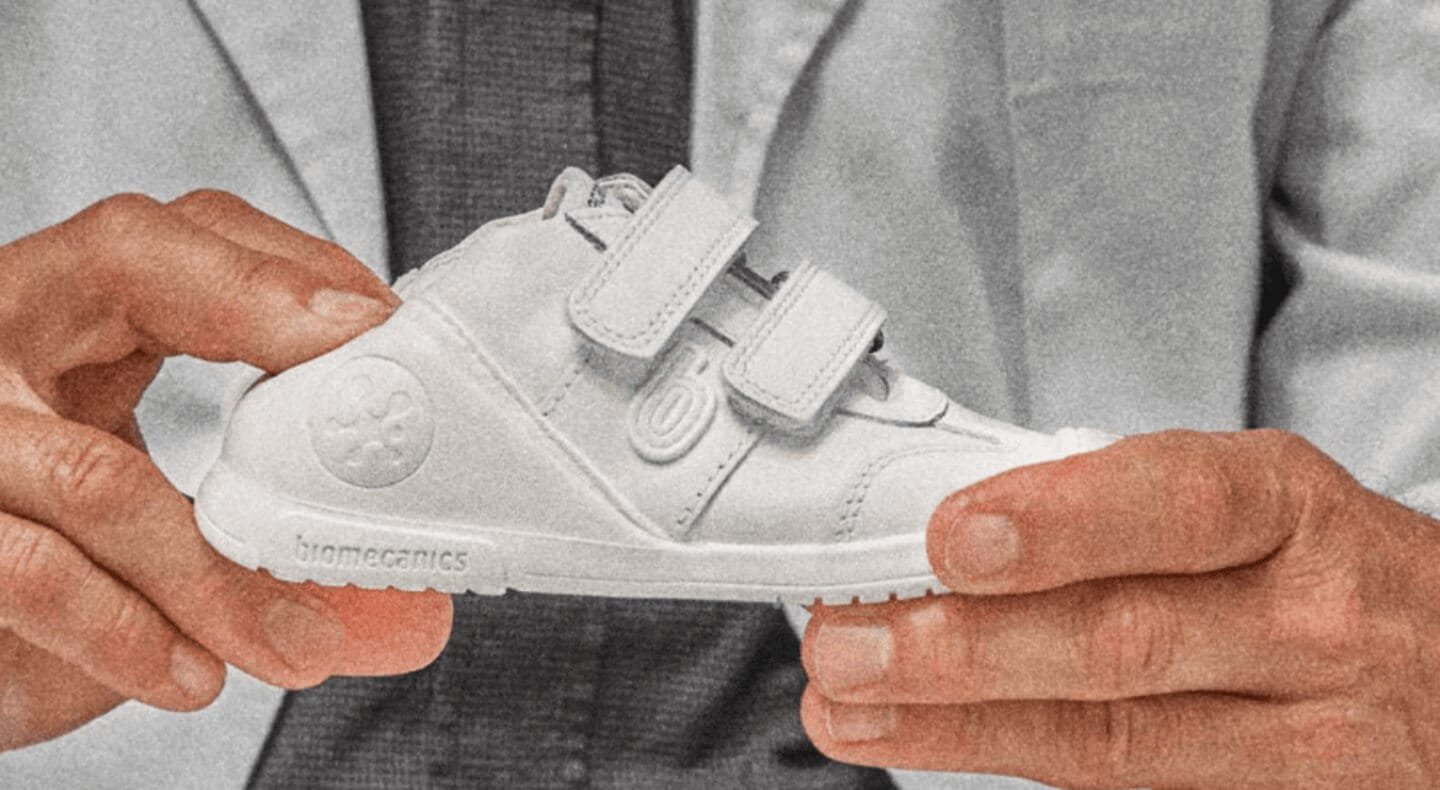
Watching your little one take their first steps is one of the most exciting milestones for any parent. Along with celebrating those first wobbly steps comes an important decision choosing the right footwear. The right shoes do much more than complete an outfit. They support healthy foot development, improve stability, and help toddlers move confidently as they explore the world around them.
If you’re searching for baby boy shoes UAE, you’ll find countless options online, from sandals and sneakers to first walker shoes. But how do you know which pair is right for your child?
This comprehensive guide explains everything parents need to know about selecting the right footwear, backed by pediatric recommendations and practical buying tips.
Why Choosing the Right Shoes Matters
Children’s feet are very different from adult feet. At birth, a baby’s feet are mostly soft cartilage that gradually develops into bone as they grow. During the first few years of life, the muscles, ligaments, and arches are still developing, making proper footwear essential.
According to the American Academy of Pediatrics (AAP), babies generally do not need shoes until they begin walking outdoors. Once they start walking, footwear should protect their feet while allowing natural movement rather than restricting it.
Choosing the wrong shoes can lead to discomfort, poor walking posture, and reduced balance. Proper footwear, on the other hand, encourages healthy movement and supports growing feet during this critical stage.
Key Facts About Children's Foot Development
Research shows that children’s feet grow rapidly during the first few years of life. Many toddlers require a new shoe size every 2 to 4 months, while preschoolers typically need new shoes every 4 to 6 months.
That’s why experts recommend checking your child’s shoe fit regularly instead of relying solely on age-based sizing.
What Makes a Good Pair of Toddler Shoes?
When shopping for your child’s footwear, focus on function before fashion. Pediatric foot specialists recommend several essential features that help support healthy development.
1. Flexible Soles
Flexible soles allow the foot to bend naturally while walking. Instead of forcing the foot into a rigid position, they encourage natural muscle development and improve balance.
A simple test is to gently bend the front part of the shoe. It should flex easily without being overly soft.
2. Lightweight Construction
Heavy shoes require more effort for toddlers to lift with every step.
Lightweight footwear allows children to:
- Walk naturally
- Improve coordination
- Reduce fatigue
- Build confidence while learning to walk
The lighter the shoe, the easier it is for developing muscles to do their job.
3. Breathable Materials
The UAE’s warm climate means children spend much of the year in hot temperatures.
Breathable materials help:
- Improve airflow
- Reduce sweating
- Prevent odor
- Keep little feet cool and dry
Mesh panels, soft leather, and moisture-wicking linings are excellent choices.
4. Wide Toe Box
Many parents overlook toe space, but pediatric podiatrists consider it one of the most important features.
A wide toe box allows toes to spread naturally while walking, improving stability and supporting healthy foot development.
Shoes that squeeze the toes may affect natural movement and long-term comfort.
5. Secure Fastening
Whether it’s hook-and-loop straps, buckles, or elastic laces, secure fastenings help keep shoes firmly in place.
A properly secured shoe:
- Reduces slipping
- Improves stability
- Makes walking easier
- Prevents unnecessary rubbing
Choosing the Right First Walking Shoes
One of the biggest questions parents ask is when to buy first walker shoes.
The answer is simple:
Once your child begins walking outdoors regularly, they need footwear that protects their feet while maintaining natural movement.
The ideal first walking shoe should include:
- Flexible sole
- Rounded toe box
- Lightweight construction
- Non-slip outsole
- Comfortable heel support
These features encourage confidence while reducing the risk of slips and falls.
Why Sneakers Are a Great Everyday Choice
As toddlers become more active, baby boy sneakers become one of the most practical footwear choices.
Sneakers provide excellent support for:
- Park visits
- Nursery
- Shopping trips
- Family outings
- Everyday adventures
Modern designs combine flexibility, cushioning, and breathable materials to keep children comfortable throughout the day.
They also pair effortlessly with jeans, shorts, joggers, and casual clothing, making them a versatile option for growing children.
Why Sandals Are Perfect for UAE Weather
Because of the UAE’s warm climate, sandals remain a popular choice for much of the year.
A good toddler sandal should offer:
- Adjustable straps
- Flexible sole
- Breathable design
- Slip-resistant outsole
Quality sandals keep feet cool while still providing enough protection for active play.
How to Measure Your Child's Feet Correctly
Buying the correct shoe size starts with accurate measurements. While you can measure your child’s feet at home, Kiddio makes the process even easier with SizeWise, a free mobile foot-scanning tool that provides precise measurements and instant shoe size recommendations. All you need is a smartphone and an A4 sheet of paper. The tool scans both feet, measures their length and width to the millimeter, automatically accounts for growing room, and recommends the right size for your child’s next pair of shoes.
Follow these simple steps:
- Place a sheet of paper on a hard floor.
- Ask your child to stand naturally.
- Trace both feet.
- Measure from heel to the longest toe.
- Use the larger measurement.
- Leave approximately one thumb’s width of space for growth.
Experts recommend measuring children’s feet every few months because rapid growth can quickly change shoe size.
Common Shoe Buying Mistakes Parents Make
Many parents unintentionally choose shoes that don’t properly support growing feet.
Avoid these common mistakes:
- Buying oversized shoes to “grow into”
- Choosing shoes based only on appearance
- Ignoring shoe width
- Waiting too long before replacing worn footwear
- Selecting stiff soles that restrict movement
Remember, fit always matters more than fashion.
Expert Recommendation
Pediatric foot specialists generally agree that children’s shoes should:
✔ Bend at the ball of the foot
✔ Feel lightweight
✔ Have breathable materials
✔ Provide enough toe space
✔ Fit securely around the heel
These features help support natural walking patterns while allowing growing feet to develop properly.
Why Investing in Quality Footwear Is Worth It
Children wear their shoes every day whether they’re taking their first steps, playing at the park, or attending nursery. Investing in well-designed footwear helps provide consistent comfort, durability, and support during these important developmental years.
Quality shoes are designed to move naturally with growing feet while protecting them from uneven surfaces and daily wear. Features such as flexible soles, lightweight materials, breathable uppers, and secure fastenings contribute to a better walking experience and long-term foot health.
Rather than choosing shoes based only on appearance, parents should prioritize fit, comfort, and functionality to help their child move confidently through every stage of growth.
Why Parents Trust Kiddio
Choosing children’s footwear is about more than style it’s about supporting healthy growth from the very first step.
At Kiddio, every collection is thoughtfully curated with features recommended by pediatric specialists, including flexible soles, breathable materials, lightweight construction, and comfortable fits that encourage natural movement.
Whether your child is learning to walk, exploring the playground, or heading out for family adventures, Kiddio offers premium footwear designed to combine comfort, durability, and everyday style.
Quick Buying Checklist for Parents
Before buying shoes for your little one, ask yourself:
✔ Does the shoe bend easily at the front?
✔ Is there enough room for the toes?
✔ Is the shoe lightweight?
✔ Are the materials breathable?
✔ Does it fit securely around the heel?
✔ Does the sole provide enough grip?
✔ Is the shoe comfortable when walking?
If the answer is yes to each question, you’re making a smart choice for your child’s growing feet.
Quick Facts at a Glance
Feature | Why It Matters |
Flexible Sole | Supports natural walking movement |
Wide Toe Box | Allows toes to spread naturally |
Breathable Materials | Keeps feet cool and dry |
Lightweight Design | Reduces fatigue while walking |
Secure Fastening | Improves stability and comfort |
Non-Slip Outsole | Helps prevent slips and falls |
Proper Fit | Encourages healthy foot development |
Final Thoughts
Selecting the right footwear is one of the simplest yet most important ways to support your child’s healthy development. From their very first steps to active toddler adventures, the right shoes help improve comfort, confidence, and natural movement.
When choosing footwear, focus on flexibility, lightweight construction, breathability, proper fit, and quality craftsmanship. These features work together to support growing feet during every stage of childhood.
If you’re looking for premium baby shoes that combine expert-backed design with everyday comfort, explore the carefully curated collection at Kiddio. Every pair is created to help little feet grow naturally while giving parents confidence in every purchase.
FAQS
What are the best shoes for toddlers learning to walk?
The best shoes for toddlers learning to walk have flexible soles, lightweight construction, breathable materials, a wide toe box, and a secure fit. These features support natural movement and healthy foot development.
How often should I replace my child's shoes?
Most toddlers outgrow their shoes every 2–4 months, depending on their age and growth rate. Check the fit regularly and replace shoes once they become tight or show signs of excessive wear.
Should toddlers wear shoes indoors?
For healthy foot development, many pediatric experts recommend allowing toddlers to walk barefoot indoors on safe surfaces whenever possible. Shoes are most important for protecting feet during outdoor activities.
What should I look for when buying toddler sandals?
Choose sandals with adjustable straps, cushioned footbeds, flexible soles, breathable materials, and slip-resistant outsoles. These features provide comfort and stability during warm-weather activities.
How do I know if my child's shoes are too small?
Signs include red marks on the feet, difficulty putting on shoes, complaints of discomfort, toes pressing against the front of the shoe, or changes in your child’s walking pattern.
Why are flexible soles recommended for toddlers?
Flexible soles allow the foot to bend naturally during walking, helping strengthen muscles, improve balance, and encourage healthy gait development.
Are sneakers suitable for toddlers?
Yes. Well-designed sneakers provide cushioning, flexibility, and support, making them an excellent choice for active toddlers who enjoy walking, running, and everyday play.
How can I measure my child's feet at home?
Place your child on a sheet of paper, trace both feet, measure from the heel to the longest toe, and use the larger measurement when selecting footwear. Leave a small amount of extra space to allow for natural growth.

